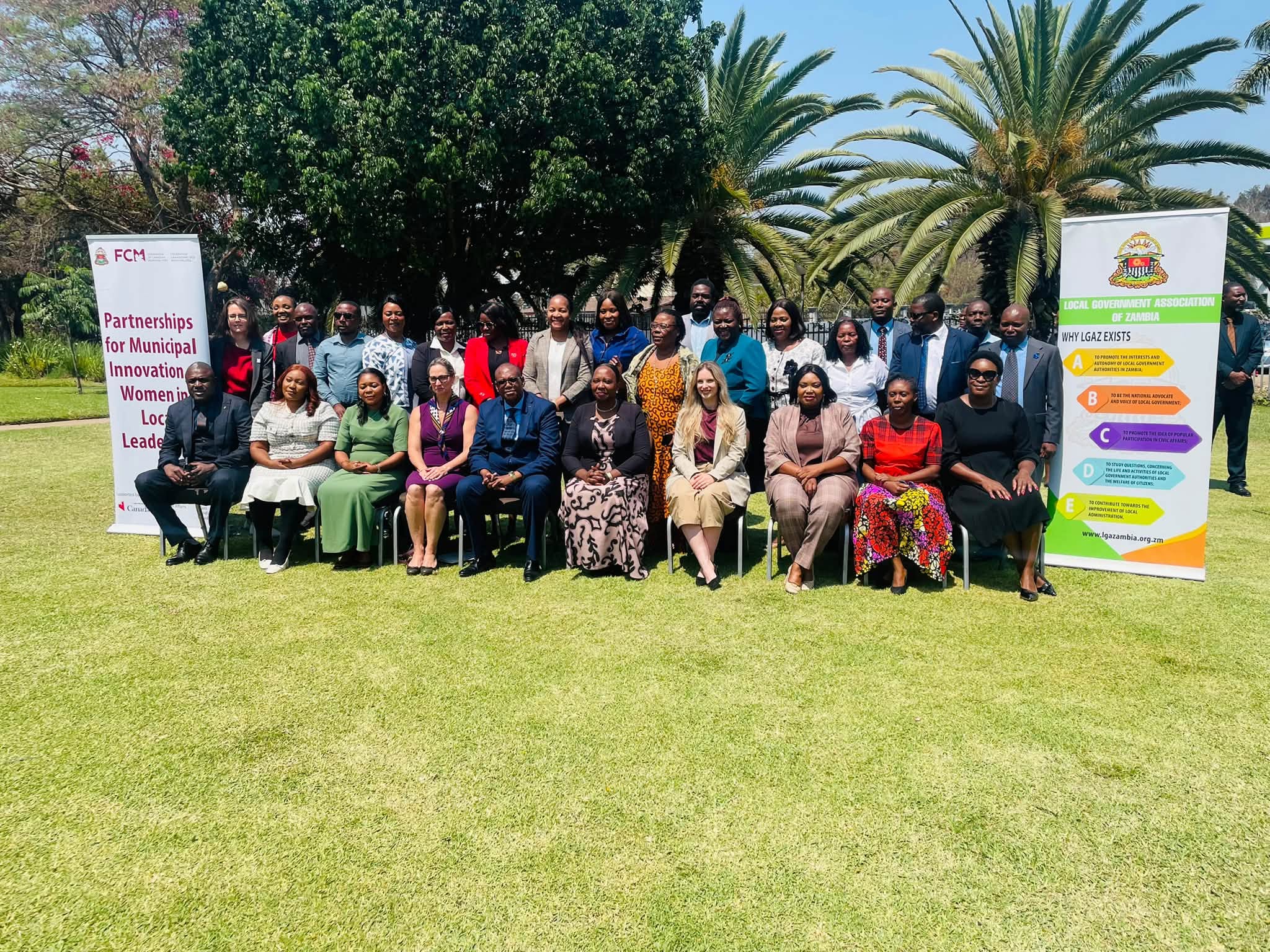
When Women Lead, Communities Thrive: PMI-WILL Project Closes with a Call to Sustain the Gains
When Women Lead, Communities Thrive: PMI-WILL Project Closes with a Call to Sustain the Gains
Lusaka, 24 September 2026
After six years of reshaping how women participate and lead in localgovernance across Zambia, the Partnerships for Municipal Innovation – Women inLocal Leadership (PMI-WILL) Project has officially closed. Government, theLocal Government Association of Zambia (LGAZ), the Government of Canada and theFederation of Canadian Municipalities (FCM) used the occasion to reaffirm ashared commitment: the gains made must not fade with the project's end.
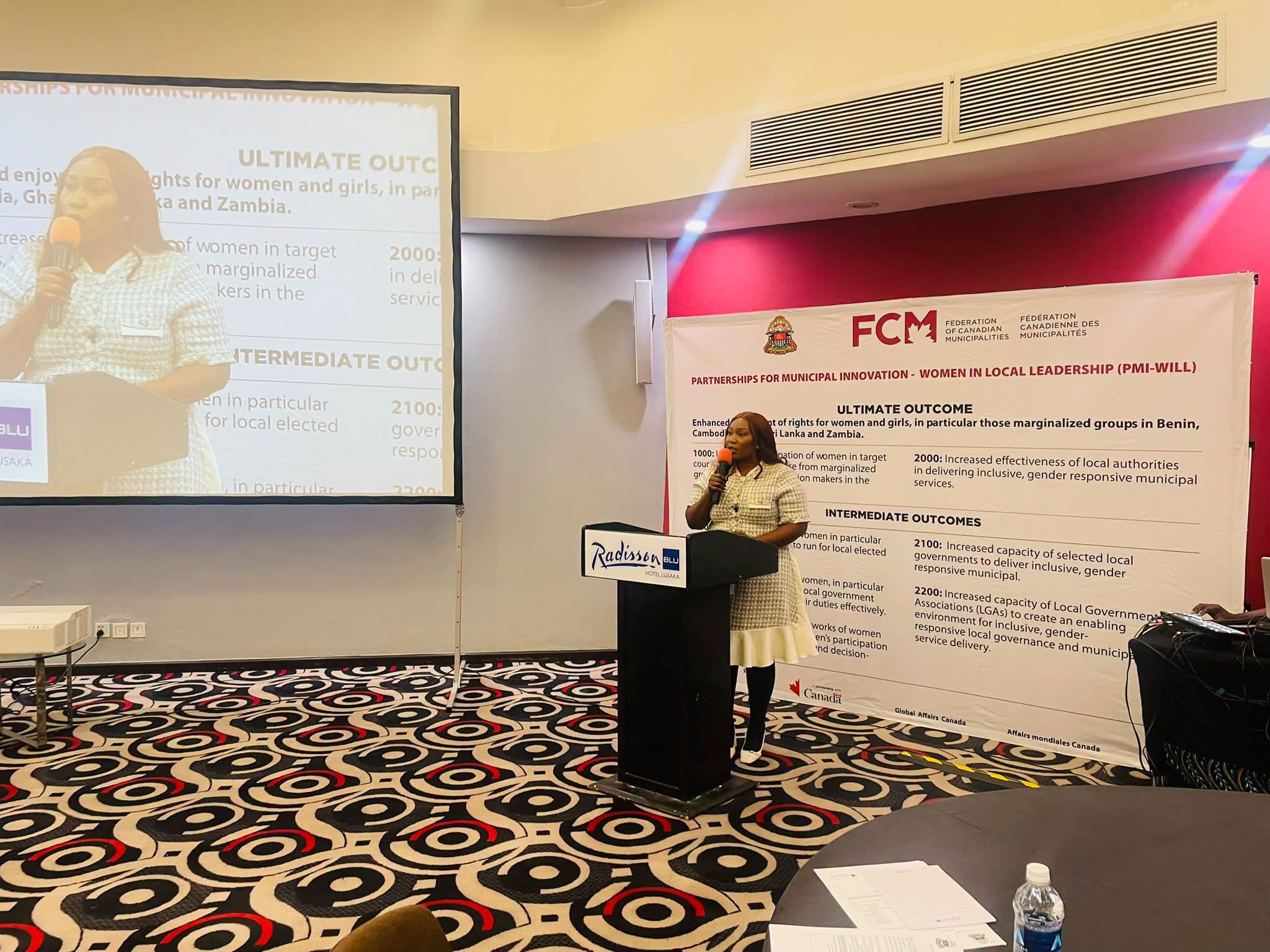
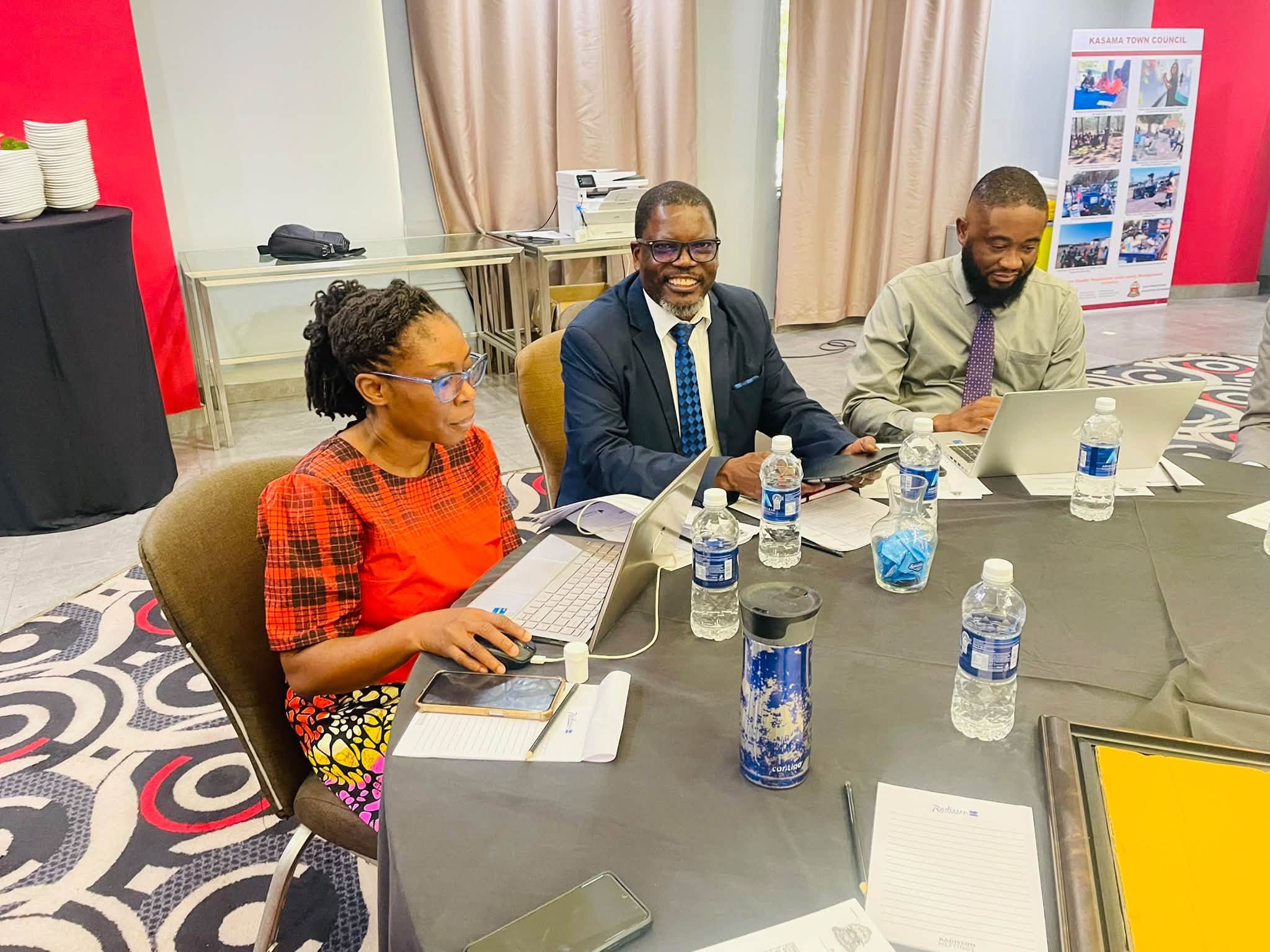
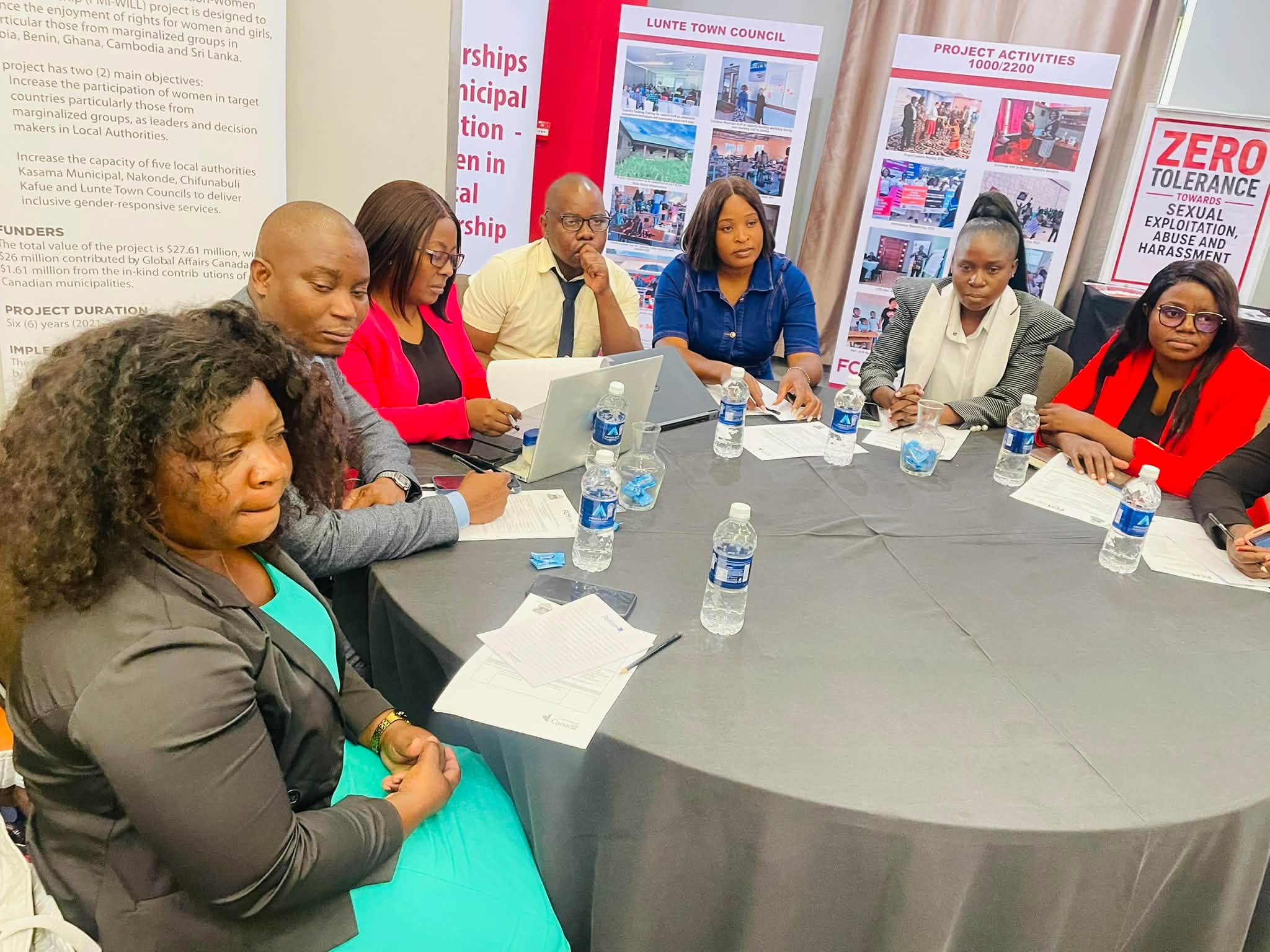
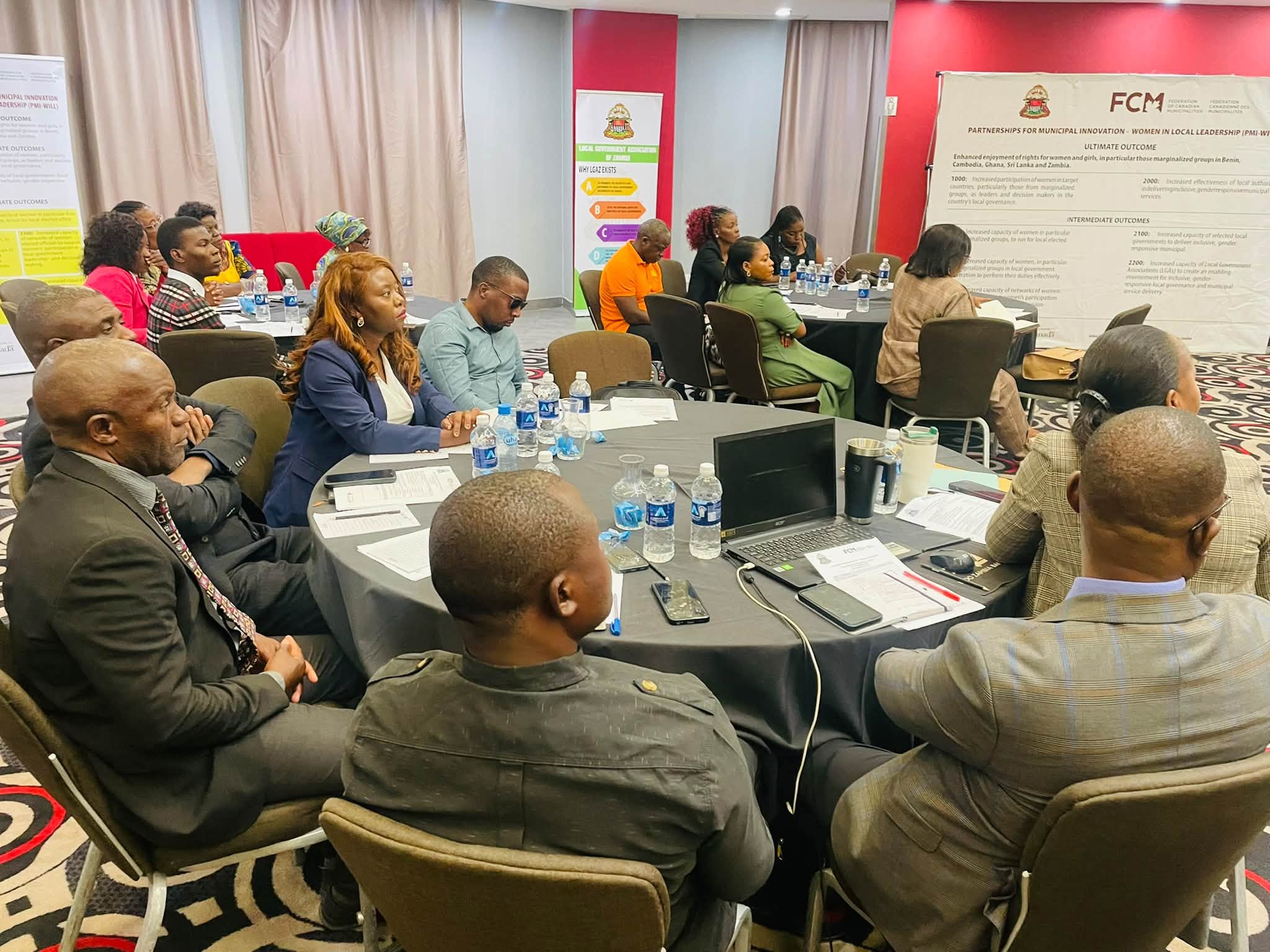
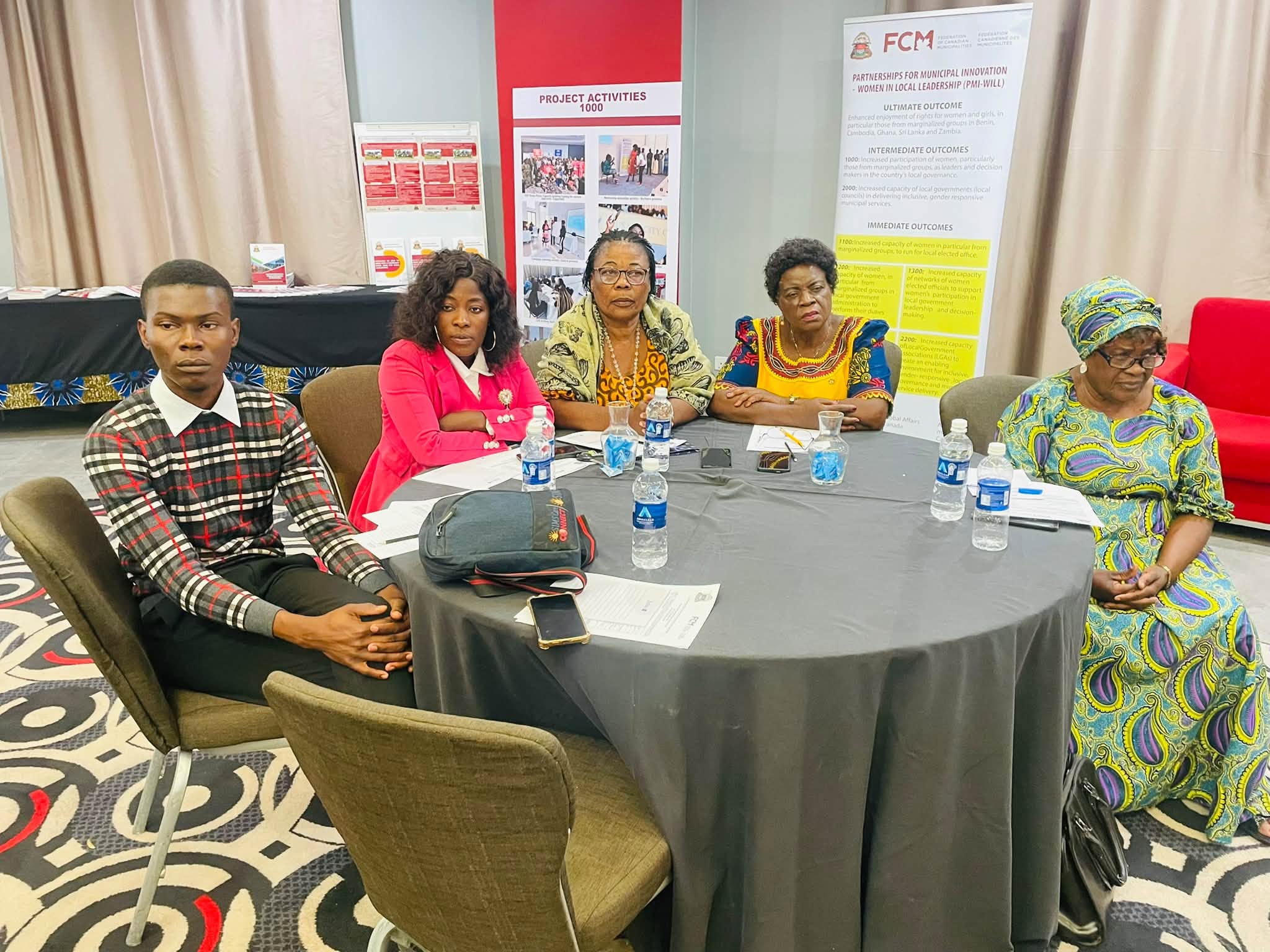
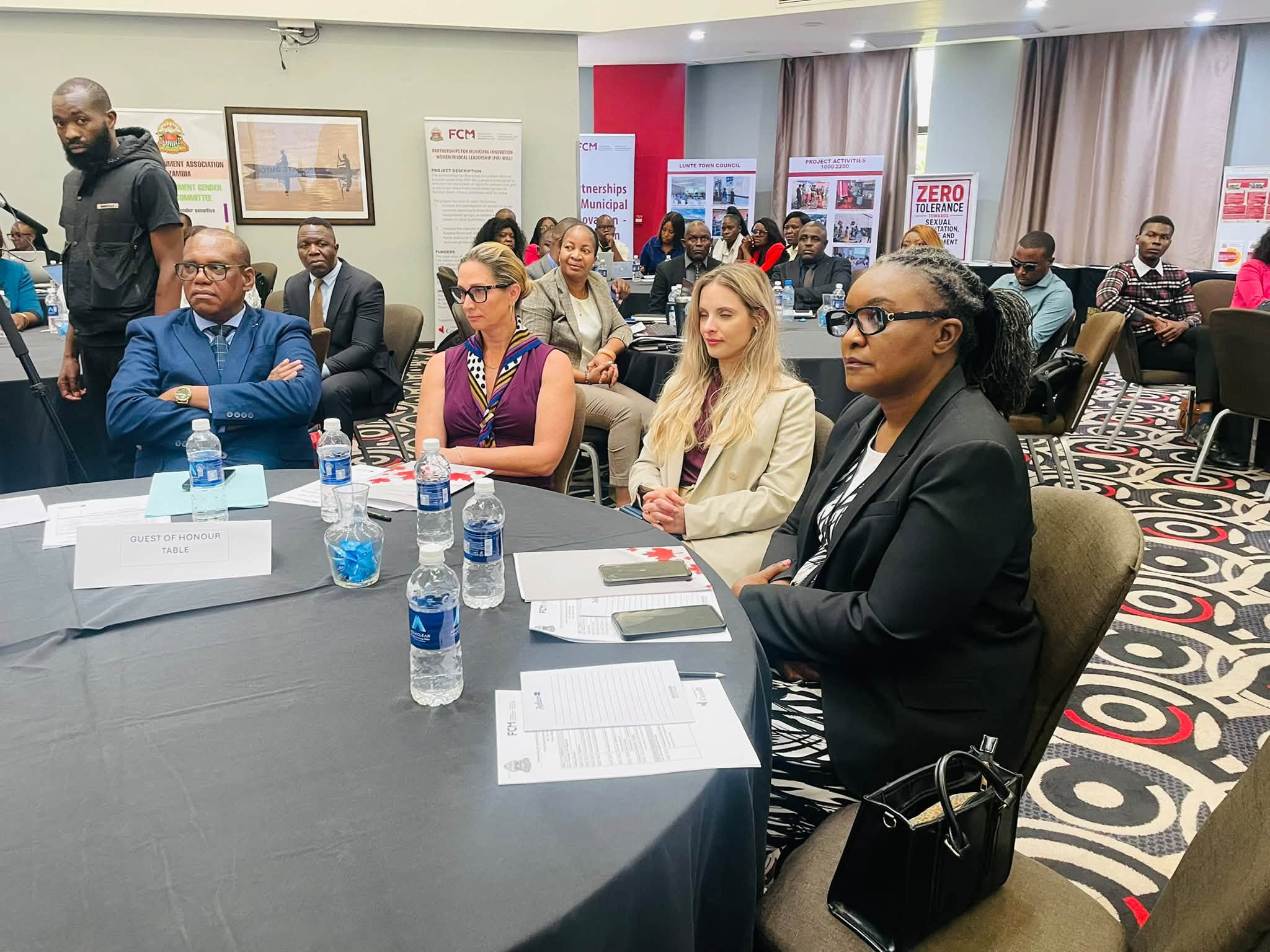
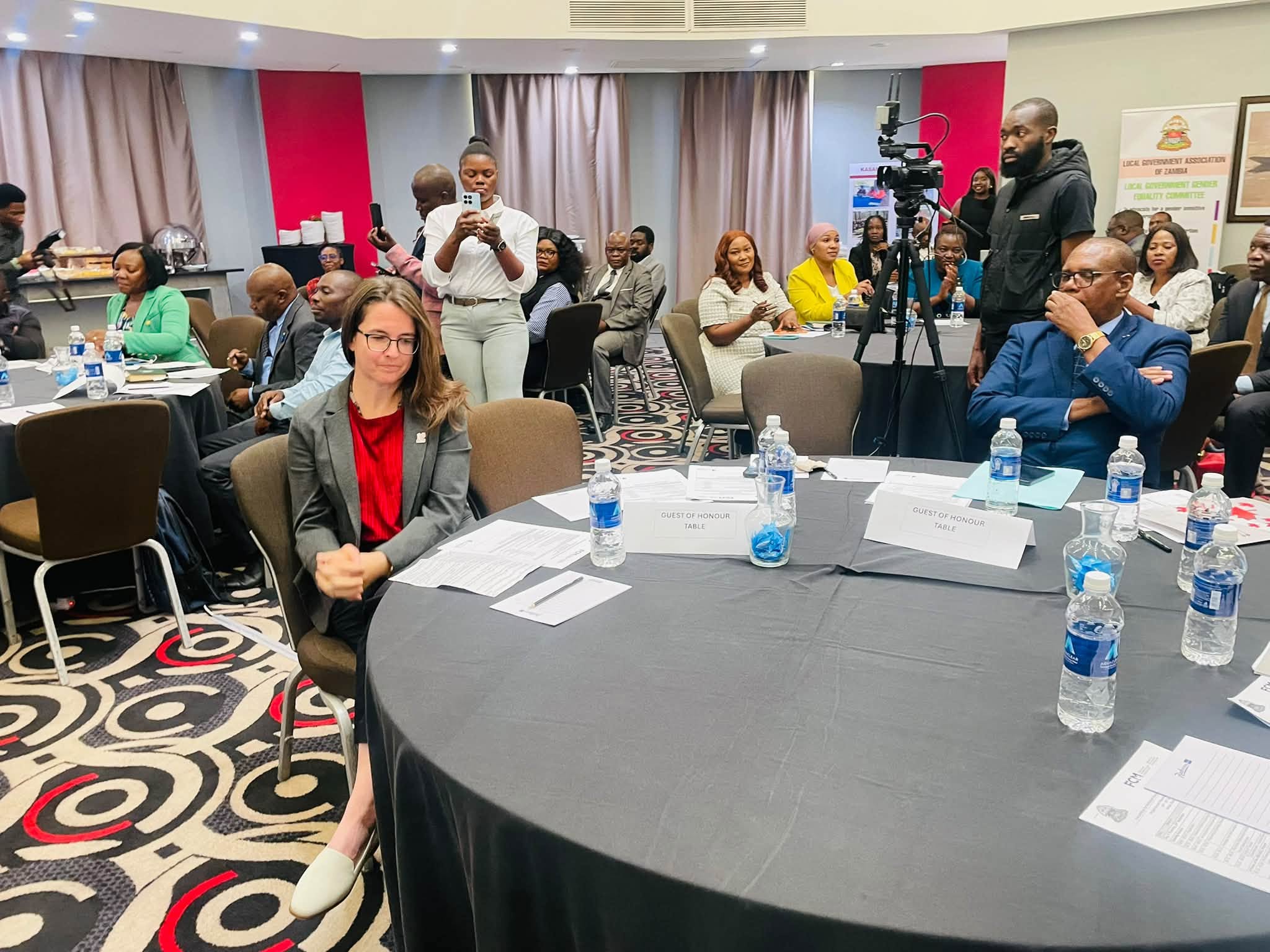
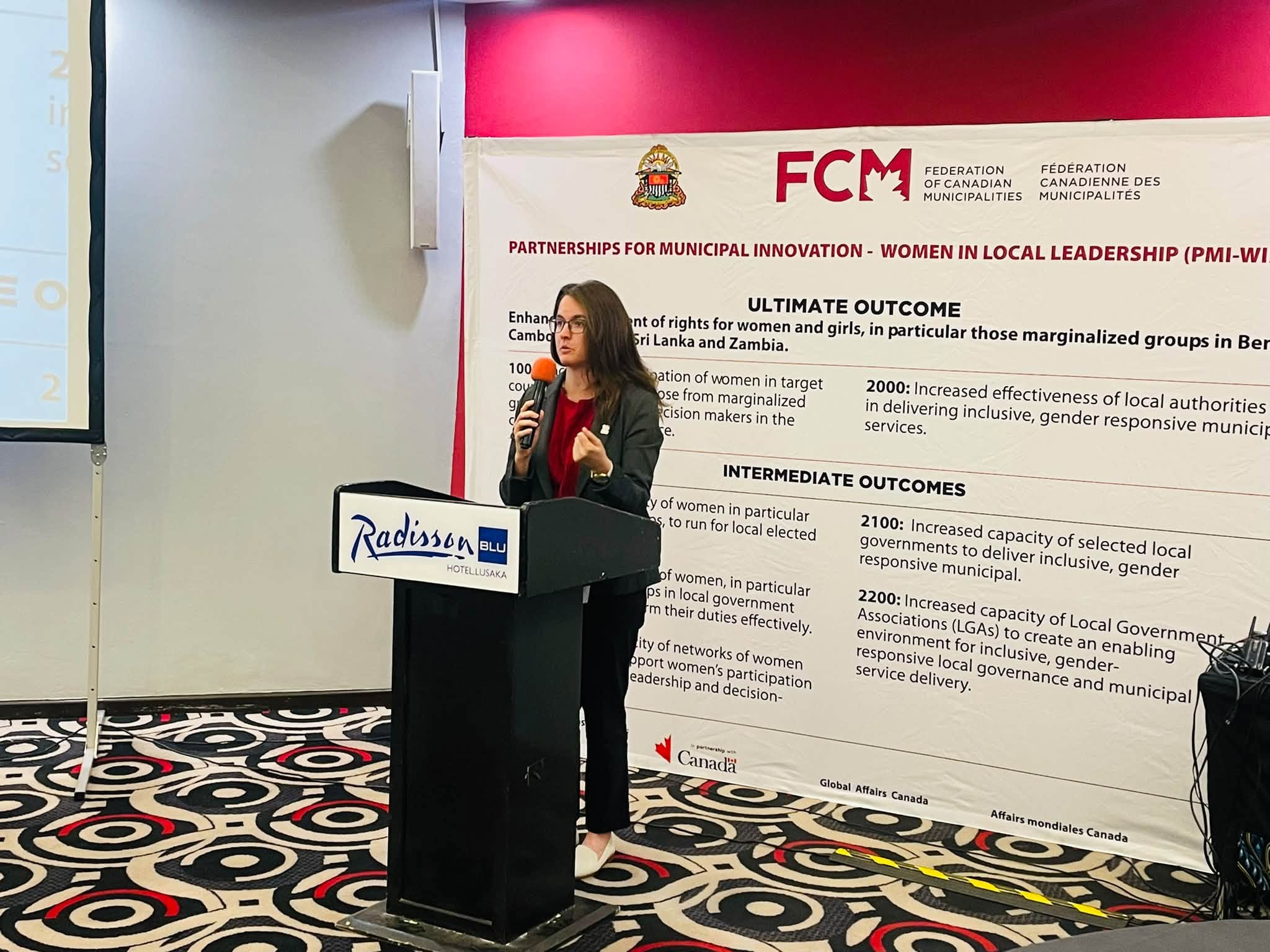
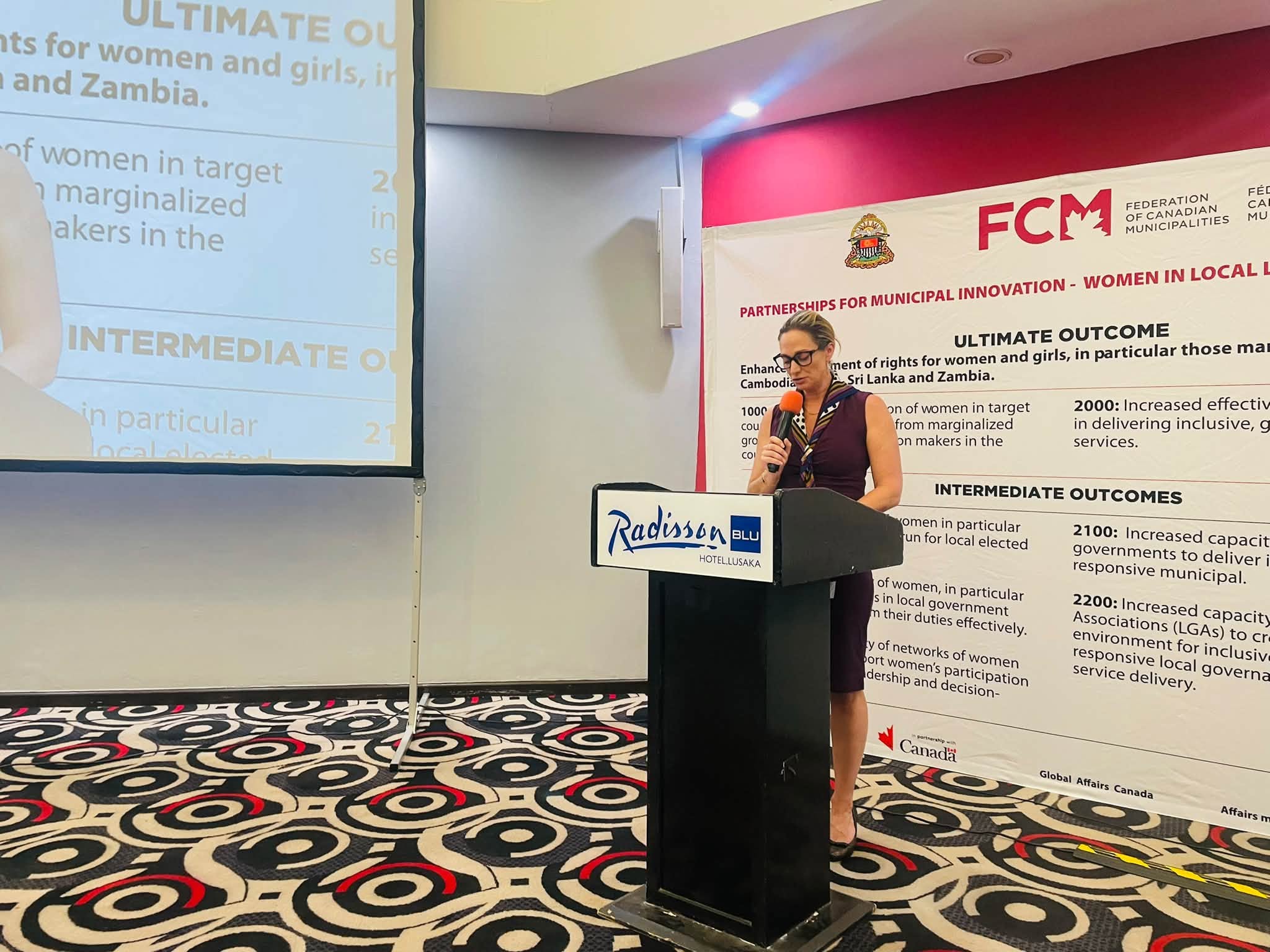
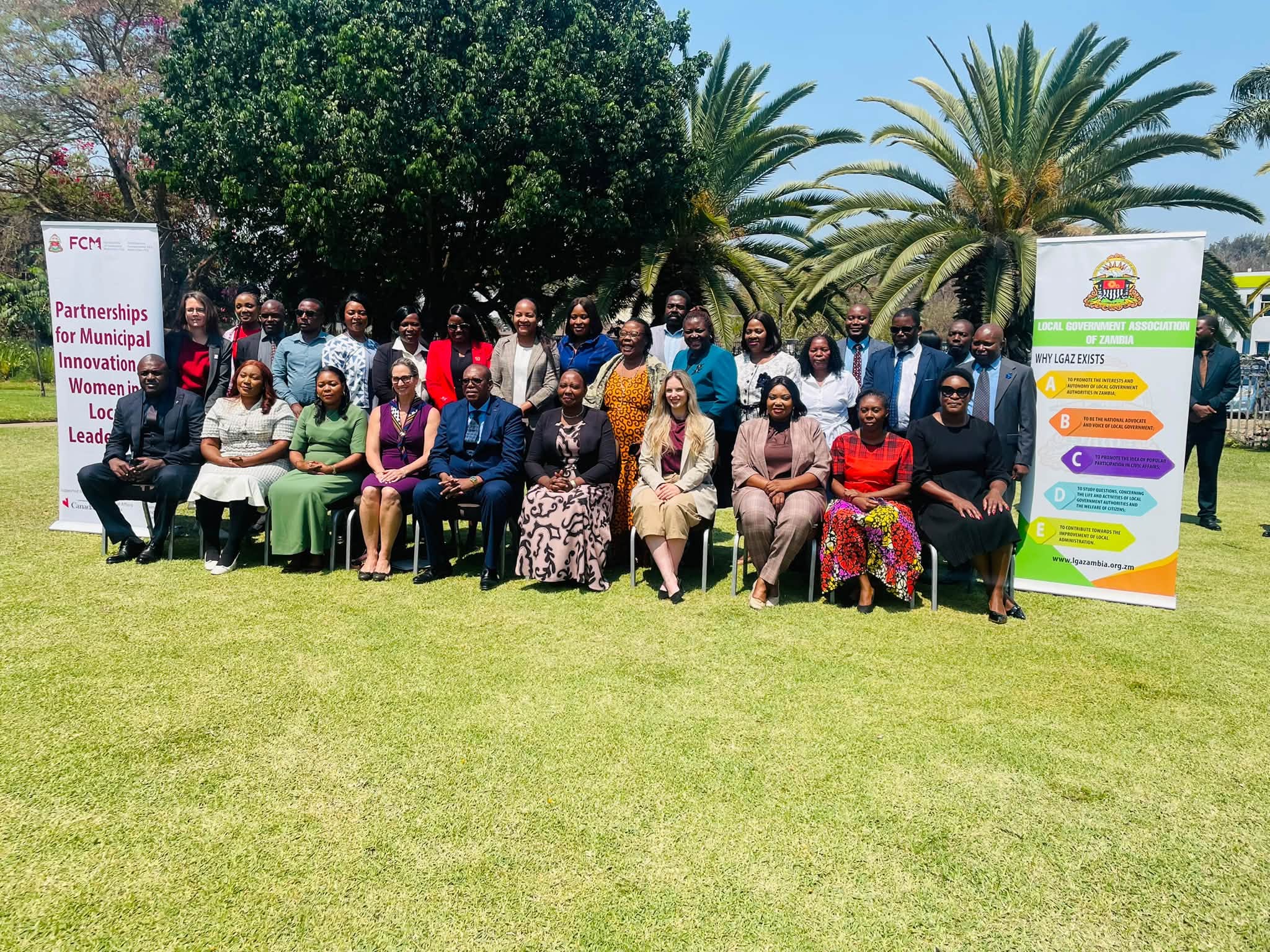
The results dissemination and close-out event, held at the Radisson BluHotel in Lusaka, drew together Government representatives, Mayors and CouncilChairpersons, Town Clerks and Council Secretaries, cooperating partners, civilsociety, women's rights and gender equality stakeholders, development partnersand the media. PMI-WILL was implemented by LGAZ in partnership with FCM, withfinancial support from the Government of Canada through Global Affairs Canada(GAC).
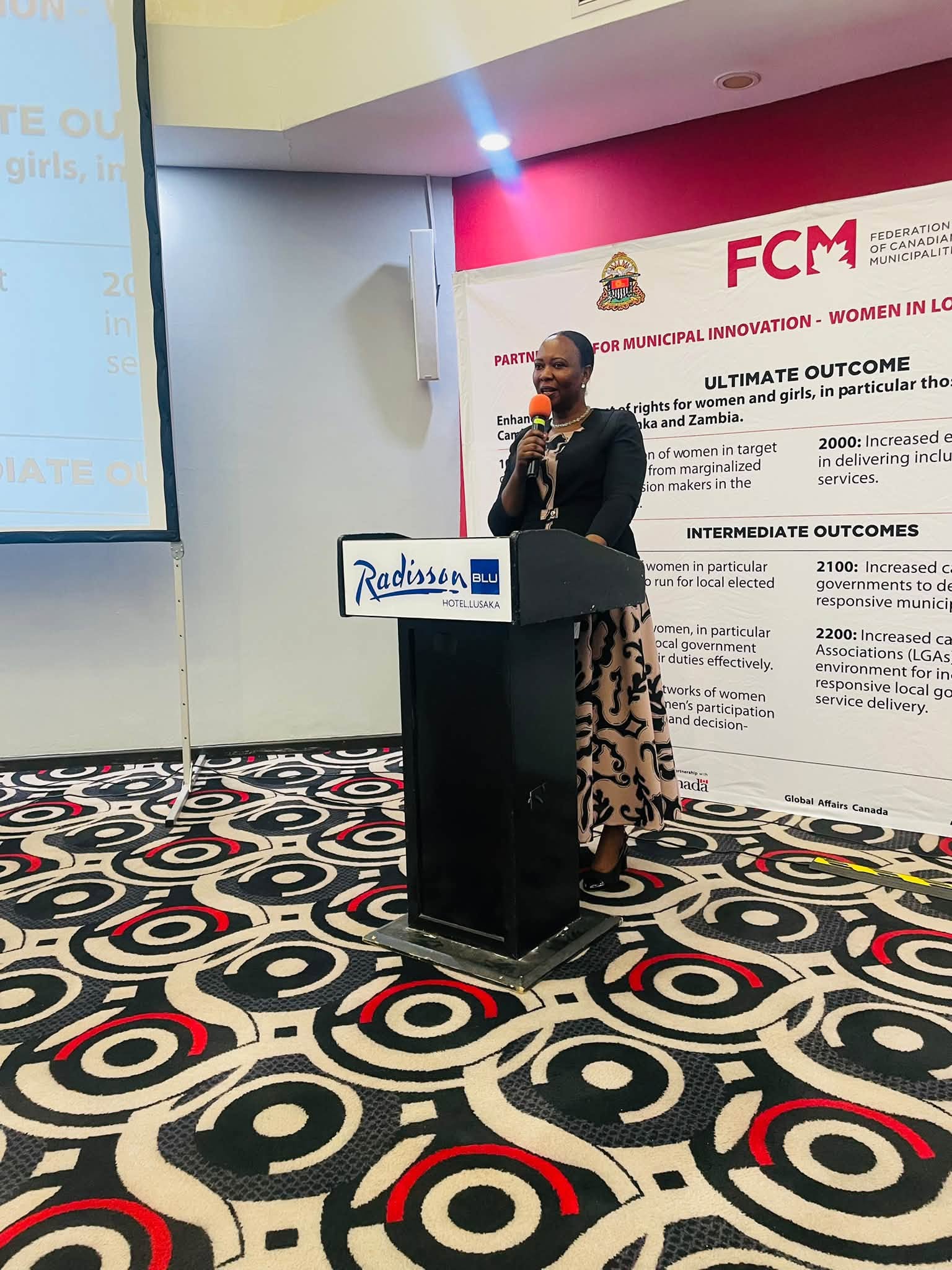
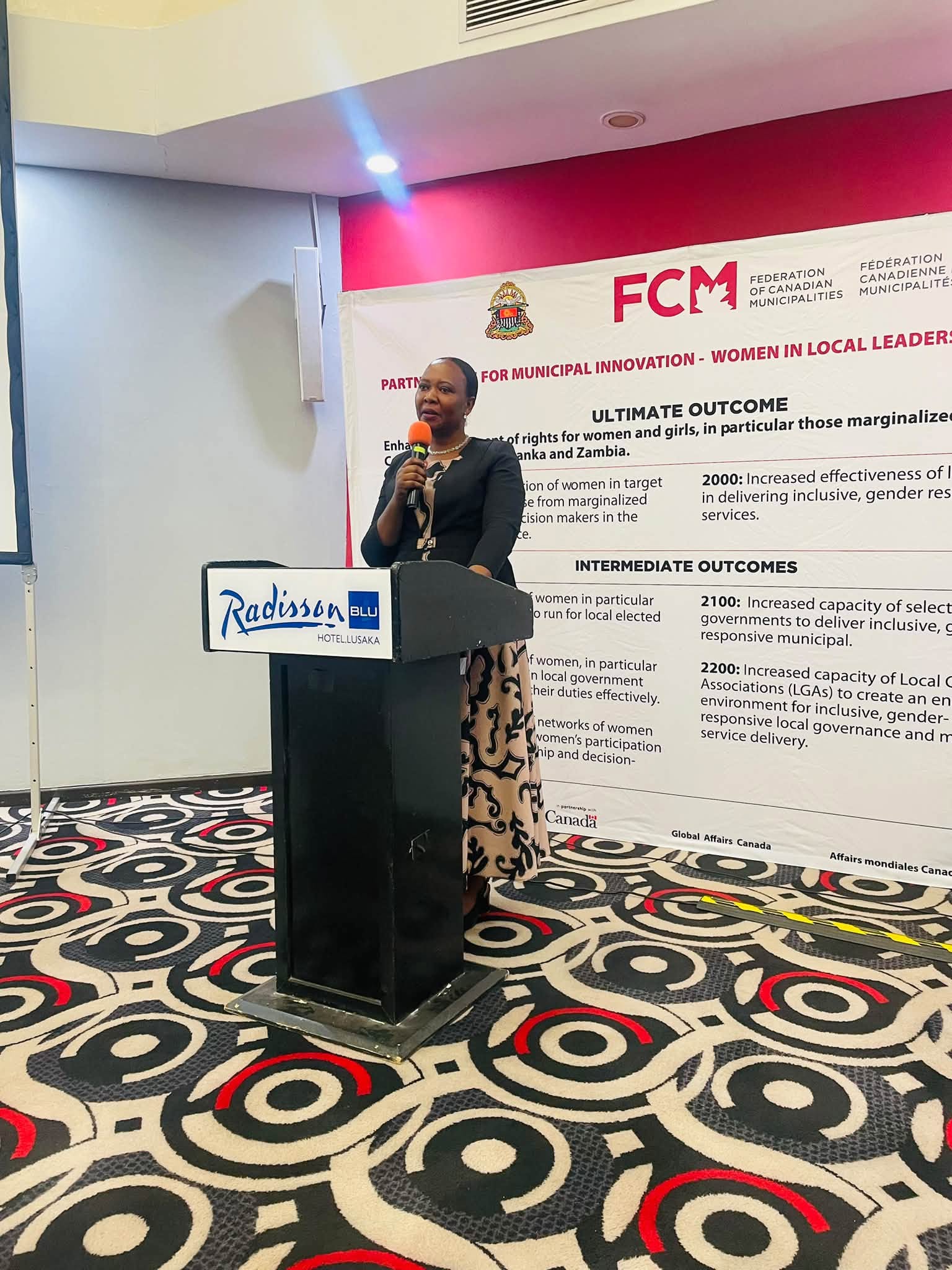
Reflecting on the journey, LGAZ Executive Director Ms. Mpatanji Namumbarecalled that PMI-WILL was launched at the very same venue on 22nd March 2022,marking the beginning of a partnership built to create an enabling environmentfor women and girls, particularly those from marginalised groups, toparticipate in local governance and benefit from inclusive, gender-responsiveservices.
She explained that the project pursued two core objectives: increasingwomen's participation as leaders and decision-makers in local governance, andstrengthening the capacity of local authorities to deliver inclusive,gender-responsive municipal services. These objectives, she said, were pursuedthrough five interconnected components covering women's participation inelected leadership, women in local government administration, the network ofwomen elected officials, gender-responsive municipal services, and thestrengthening of LGAZ's own institutional capacity to promote inclusivegovernance.
"As I stand before you this morning, I am pleased to report that wehave implemented several interventions under the five components of the projectwith a measure of success,"she told delegates.
Ms. Namumba went on to describe how those interventions had translatedinto tangible change on the ground. Five local authorities, Kafue, Chifunabuli,Lunte, Nakonde and Kasama, were supported, at a cost of K1.3 million each, toimplement practical, gender-responsive service initiatives. In Kafue, this tookthe form of a Mental Wellness and Skills Development Initiative. In Chifunabuliand Lunte, Skills Development Centres were established, while Nakonde receiveda similar facility that, she noted, is the first of its kind in the district.In Kasama, meanwhile, the project backed a women-led waste collectioninitiative using motorised tricycles, a small but visible symbol of whatgender-responsive service delivery can look like in practice.
She further highlighted a significant institutional milestone achievedduring the project's lifespan: the Ministry of Local Government and RuralDevelopment's endorsement of integrating a Gender Equality and Social Inclusion(GESI) Module into the National Manual for the Orientation of Councillors andOfficers. "PS, your endorsement is one of the main ways we are going toinstitutionalise GESI in local authorities' operations. We will continue toknock on your doors," she said, addressing the Ministry directly.
Taking to the podium next, Canadian High Commissioner to Zambia, HerExcellency Corry Van Gaal, described the close-out event as a celebration, ofpartnership, of progress, and above all, of the women across Zambia who hadstepped forward to lead and serve their communities. She grounded her remarksin a simple, guiding principle that has underpinned the project from the start:"When women lead, communities thrive."
The High Commissioner shared figures that gave weight to that principle.Over the six years of implementation, she said, PMI-WILL had identified andregistered 975 aspiring women leaders, with 707 of them going on to participatein targeted capacity-building initiatives and mentorship. More than 100 localgovernment officials had also received training in gender-responsivegovernance, while 10 local authorities had been supported to developinstitutional policies addressing sexual exploitation, abuse and harassment.
Her Excellency Van Gaal was careful to note that PMI-WILL's ambitionwent beyond simply increasing the number of women occupying leadership seats. "Thetrue value of PMI-WILL lies in this dual impact: strengthening women'sleadership while strengthening local governance," she said, addingthat investing in women's leadership was ultimately an investment ininstitutions, in service delivery, and in Zambia's long-term development.
She did not shy away from naming the barriers that continue to holdwomen back from political and public life, citing limited access to campaignfinancing, political party gatekeeping, gender-based violence, and entrenchedsocial norms that discourage women's participation. Projects such as PMI-WILLmatter, she argued, precisely because they help chip away at these barriers bybuilding confidence, strengthening institutions and creating pathways for womento take part in decision-making.
The High Commissioner also pointed to complementary work beyondPMI-WILL, noting that the Canadian Government had supported 10 women's groupsacross all 10 provinces through the Strengthening Women's LeadershipInitiative, funding community-led projects addressing clean drinking water,entrepreneurship, disability inclusion, gender equality and gender-basedviolence. She cited, too, the establishment of the Awards for Women in LocalGovernment as another lasting legacy of the partnership, one that continues toraise the visibility of women leaders and recognise excellence in localgovernment.
Government Calls for Sustainability
Delivering the keynote address on behalf of Permanent Secretary(Technical Services) Mr. Nicholas Phiri, the Ministry's Director of LocalGovernment Administration, Mr. Ackson Habanji, commended LGAZ, FCM and theGovernment of Canada for the role they had played in equipping women electedleaders and political aspirants with skills and confidence through targetedtraining and mentorship.
"Through this partnership, you have not only built their skills butalso their confidence to lead effectively and actively participate indecision-making, shaping development priorities and allocation ofresources," he said.
Mr. Phiri's address, delivered by Mr. Habanji, also drew attention tothe project's contribution to creating safer workplaces within localauthorities. He noted that 10 local authorities, Mansa Municipal Council, SindaDistrict Council, Pemba District Council, Kafue Town Council, Kasama MunicipalCouncil, Lunte District Council, Chifunabuli District Council, LusangaziDistrict Council, Luangwa District Council and Nakonde Town Council, had beensupported to develop workplace policies addressing Sexual Exploitation, Abuseand Harassment (SEAH).
With the project now formally closing, the Permanent Secretary turnedhis attention to what happens next, urging beneficiary councils not to let theinitiatives lapse. "The close of a project should not mean the end ofthese vital services. I strongly urge all the beneficiary local authorities toimmediately devise and implement practical, innovative measures to sustainthese initiatives," he said, further calling on local authorities tobudget for, manage and maintain the initiatives so that they endure as lastinglegacy projects for their communities.
The close of PMI-WILL arrives alongside a moment of institutionalprogress for LGAZ itself. Ms. Namumba noted that the Association's newConstitution now guarantees 30% women's representation in all organs of LGAZ,providing an institutional foundation that will help carry the project's spiritforward long after PMI-WILL formally ends. "The conference will be heldunder a new constitution that guarantees 30% women representation in all theorgans of the Association. We will continue to look up to you forsupport," she said.
She extended her appreciation to the Government of Canada, FCM, theMinistry of Local Government and Rural Development, participating localauthorities, past and present LGAZ leadership, the Local Government GenderEquality Committee, and all stakeholders who had contributed to theimplementation of PMI-WILL.
As the project formally closes, attention now turns to sustaining andinstitutionalising six years of gains. For the Canadian High Commissioner, itis this next chapter, not the project's past achievements, that will ultimatelydetermine its legacy. "The true measure of PMI-WILL will not be what itachieved over the past six years. It will be what comes next," shesaid, adding that this legacy would be reflected in "the women whochoose to run for office, the girls who see leadership as possible, theinstitutions that continue to open doors, and the communities that becomestronger because every voice is heard."
The close-out of PMI-WILL therefore marks both the conclusion of asix-year programme and the beginning of a new phase of responsibility for theinstitutions, local authorities, women leaders and communities that will carryits lessons and innovations forward.
"Because when women lead, communities prosper. And when communitiesprosper, nations thrive,"Her Excellency Corry Van Gaal, Canadian High Commissioner to Zambia, said inclosing.